The $5 lunch is the most useful thing you can learn in Lima
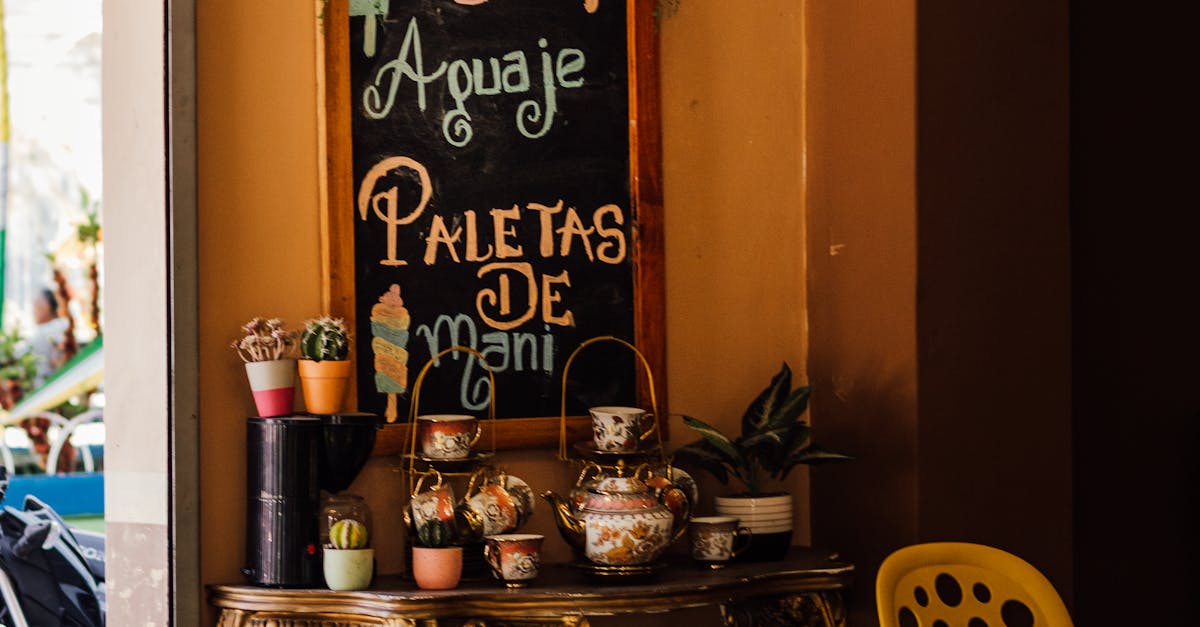
Every weekday between noon and three, half of Lima eats the same thing: a fixed three-course lunch for the price of a Starbucks latte. It's called the menú del día, and skipping it is the single most expensive habit a tourist can fall into here. A standard tourist lunch in Miraflores runs S/60–90. A menú in the same neighborhood, sometimes a block away, runs S/22–35 — and the food is closer to what Limeños actually eat at home.
This guide tells you what the menú is, how to find a good one, what to say, and what to avoid.
What "menú del día" actually means
It's a fixed lunch set served Monday to Friday (some spots open Saturdays). One price gets you:
- Entrada — a soup or a small starter (papa a la huancaína, causa, ensalada).
- Segundo — the main: rice + protein + a side. Rotates daily.
- Refresco — chicha morada, lemonade, or maracuyá.
- Postre — sometimes included: gelatina, mazamorra morada, or fruit.
You usually pick from 2–4 options per course, written on a chalkboard at the door. No printed menu, no photos, no English. That's the point.
What it costs in 2026
Prices vary more by district than by quality. A S/15 menú in Surquillo and a S/30 menú in Miraflores often come from the same kind of kitchen — you're paying for the rent, not the food.
| Where | Price (S/) | Hours |
|---|---|---|
| Working-class barrio (Surquillo, San Borja, Lince) | 12–18 | 12:00–15:30 |
| Centro de Lima | 15–22 | 12:30–15:00 |
| Miraflores / Barranco | 22–35 | 12:30–16:00 |
| San Isidro (oficinas) | 25–40 | 12:30–15:00 |
How to find a good one
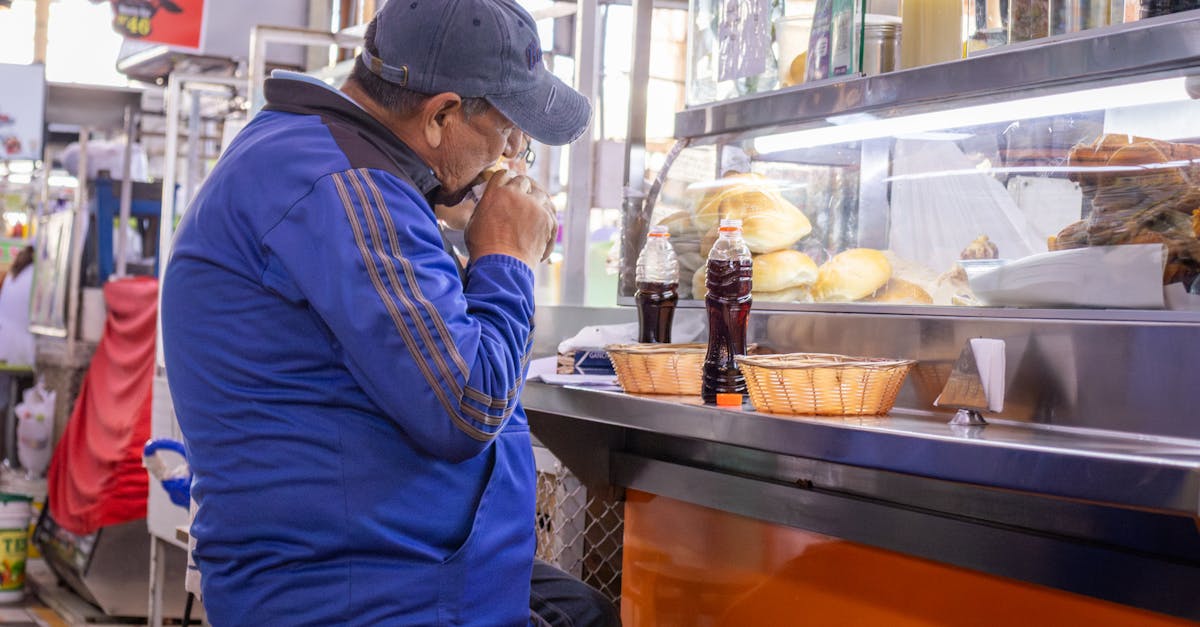
Five signals that a place serves a real menú, not a tourist version:
- A handwritten chalkboard outside listing today's two or three options.
- A line of office workers between 12:30 and 13:30. Empty at 13:30 = walk past.
- No English menu, no photos of every dish, no hostess in branded polo.
- The dining room is plain: plastic chairs, fluorescent light, a TV in the corner.
- It smells like garlic and ají from the street.
How to order without sounding like a tourist
You don't need fluent Spanish — four phrases cover 90% of menú interactions.
- "¿Cuál es el menú del día?" — What's today's menu?
- "¿Qué tienen de entrada / segundo?" — What's the starter / main?
- "¿Tienen ají?" — Do you have chili sauce? Always say yes. It's free, it's house-made, it makes the meal.
- "La cuenta, por favor." — The bill, please.
If you want it to go: "para llevar, por favor." If you don't want soup: "sin entrada, gracias" — the price usually stays the same.
For a fuller phrasebook, see the how-to-order guide. To recognize what shows up on the plate, the Peruvian Food 101 guide covers the dishes you'll meet most often: aji de gallina, lomo saltado, causa limeña.
Common mistakes
- Asking for the printed menu. There isn't one. Look at the chalkboard or ask "¿qué hay de menú hoy?".
- Going at 14:30. Half the options are gone, the rice is dry, and the cook is tired.
- Ordering à la carte at the same place. It's the same kitchen, but à la carte is 30–50% more for the same plate. Always ask for the menú first.
- Tipping like in the US. Tipping isn't expected. Rounding up to the next sol or leaving the coins is plenty.
- Paying with a S/200 bill. Most barrio spots don't have change for that. Bring small bills (S/10s and S/20s) and ideally cash — many don't take card.
A 5-step plan for your first menú
- Pick a weekday. Skip Sundays — most menú spots are closed.
- Walk one or two blocks off the main tourist drag. Even in Miraflores, three blocks inland the prices drop 40%.
- Look for a chalkboard outside. If there's no chalkboard, it's not a menú spot.
- Arrive between 12:45 and 13:15. Sit down, look at what nearby tables are eating, then order.
- Pay cash, round up, and walk out around 14:00 — same as everyone else.
Related
- Peruvian Food 101 — the dishes you'll see on most menús.
- How to order food in Lima — fuller Spanish phrasebook.
- Miraflores food guide — where to find menús in the tourist zone.
- Barranco food guide — slightly pricier, same logic.
- Dishes that show up on almost every menú: aji de gallina, lomo saltado, causa limeña.