What is a sangucheria
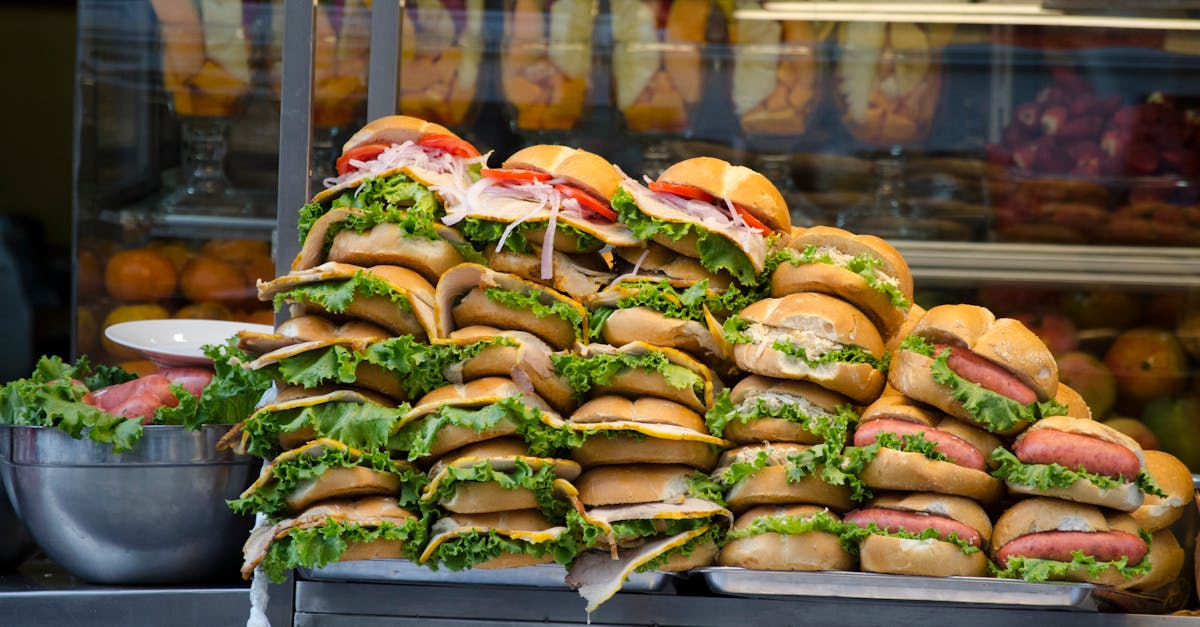
A sangucheria is a Lima restaurant built around the sánguche — the Peruvian sandwich, almost always served on a fresh pan francés roll, almost always built around a slow-cooked or roasted protein, and almost always paired with chicha morada or a cold beer. The category covers everything from the Sunday-morning chicharrón counter with a queue down the block to the sit-down 24-hour bar that's been making the same five sandwiches since 1937.
Sangucherías are the second pillar of Lima's working-class food culture (the first being the cevichería). They are mostly cash, mostly walk-in, and mostly judged on three things: the freshness of the bread, the quality of the protein, and the balance of the salsa criolla — that punchy raw red onion + lime + ají amarillo + cilantro relish that finishes almost every Peruvian sandwich.
A great Lima sangucheria is a humble place doing one or two things at a level that justifies a 25-minute wait on a Sunday morning. There is no fusion, no tasting menu, no design language. There is bread, there is meat, there is salsa criolla. That is the format.
Origins
The Peruvian sandwich is a 19th-century Lima invention, born when criolla cooks paired the Spanish-introduced pan francés (a soft, slightly sweet white roll baked fresh several times a day) with the local proteins they already knew: slow-cooked then fried pork (chicharrón), turkey (pavo), country-style ham (jamón del país), and grilled beef. The unifier was salsa criolla, the raw-onion relish that's pure Lima creole cooking.
The first dedicated sangucherías appear in the records of late 19th-century Lima, almost always near markets or in the working-class districts that fed Centro. Two date-pinned anchors:
- Juanito's in Barranco (Av. Grau 274) opened in 1937 and is the oldest continuously operating sangucheria-bar in Lima. The format hasn't changed: jamón del país sandwich, hard-boiled egg, olive, a bottle of beer at the bar, sawdust on the floor in the old days.
- El Chinito in Centro (Jr. Chancay 894) opened in 1960 by the Cabrera family and is widely considered the godfather of the modern pan con chicharrón movement. Sundays at El Chinito are a Lima institution.
The 2000s gastronomic boom brought the sangucheria upmarket without breaking it. La Lucha Sanguchería Criolla, founded in 2005 by the De la Torre family in Miraflores, was the first sangucheria to professionalize the category — fresh juices alongside the sandwiches, polished space, no compromise on the bread or the chicharrón. La Lucha is now the most-photographed sangucheria in Peru.
In 2010, the Día Nacional del Sánguche was added to the calendar (third Saturday of August), and Peru's sandwich tradition was formally recognized as part of the country's culinary heritage. There is no UNESCO listing for the sánguche specifically, but it now travels — La Lucha has branches in Miami, and pan con chicharrón is on menus from Barcelona to Brooklyn.
How to recognize one
Five reliable cues:
- Bread visible. A real sangucheria has the pan francés in baskets or stacked on a board behind the counter — fresh, soft, with a slightly burnished crust. If the bread looks pre-bagged or like dinner rolls, you're somewhere else.
- The cooking is open. The chicharrón press, the pavo slicer, the grill — visible from the queue. You can see the protein being assembled into your sandwich.
- A bowl of salsa criolla on the counter. The signal that this is a sandwich place that respects the format.
- A short menu, written above the counter. Five to ten sandwiches, plus maybe a couple of fried sides (yuca, sweet potato chips), plus juices and beer. A sangucheria with a 50-item menu is doing something else.
- A queue at the right hours. Sangucherías have peak windows: 08:00–11:00 on weekend mornings (chicharrón), 19:00–22:00 (after-work or pre-bar). A sangucheria empty at peak hours is a warning.
What you'd order
The Lima sandwich canon, in roughly the order most Limeños would tell you to try them:
- Pan con chicharrón — the king. Crispy fried pork, sliced sweet potato, salsa criolla, mustard. The Sunday morning sandwich. S/12–25.
- Pan con pavo (al horno) — slow-roasted turkey, a slick of mayo, a generous amount of salsa criolla. The cleaner cousin of the chicharrón. S/10–22.
- Pan con jamón del país — country-style cooked ham (jamón del país is its own thing — pink, mildly sweet, less salty than European ham), often with a fried or hard-boiled egg. The Juanito's classic. S/9–18.
- Pan con asado — slow-cooked beef in a dark, slightly sweet sauce. The "winter morning" sandwich. S/12–22.
- Pan con anticucho — beef heart skewers off the grill, deboned into the sandwich, salsa criolla. A nighttime sangucheria order. S/10–18.
- Pan con butifarra — Peruvian butifarra (cured pork loin, sliced thin), salsa criolla. Older and less common than the others; ask at Juanito's. S/9–16.
- Pan con relleno — morcilla-style blood sausage, sweet potato, salsa criolla. Niche; for the curious. S/8–15.
For drinks: chicha morada (almost always), maracuyá juice at the polished places, or a cold Cusqueña / Pilsen Callao. Coffee where they have it, but the canonical pairing is the chicha or the beer.
Price range
| Tier | Per sandwich (S/) | Combo w/ drink + side (S/) |
|---|---|---|
| Street / market sangucheria | 6–12 | 12–20 |
| Barrio sangucheria | 10–18 | 18–30 |
| La Lucha tier (polished urban) | 18–28 | 28–45 |
| Hotel restaurant version | 30–55 | 50–80 |
A sandwich at a Lima sangucheria for under S/6 is suspicious — the math on the bread, pork, and salsa criolla doesn't work. Anything over S/35 a sandwich at a sit-down place is paying for the room.
Real examples in Lima
A short list that covers the format:
- El Chinito — Jr. Chancay 894, Centro de Lima (multiple branches now). Founded 1960. The godfather. Pan con chicharrón is the order, Sunday morning is the time. Around S/14–22 a sandwich. Cash usually accepted, Yape works. Be there before 10:30 on Sundays.
- La Lucha Sanguchería Criolla — Pasaje Champagnat 139, Miraflores (and several other branches). Founded 2005. The polished, professionalised version. Excellent juices alongside. Around S/22–35 a combo.
- El Enano — Av. 28 de Julio with Petit Thouars, Jesús María (also a Surquillo branch). Tiny, packed, no-frills. Pan con asado is the move. Around S/10–18.
- Juanito's — Av. Grau 274, Barranco. Founded 1937. Lima's oldest sangucheria-bar. Order the jamón del país sandwich, a hard-boiled egg, and a Cusqueña. Cash. Stand at the bar.
- Pan de la Chola — Av. La Mar 918, Miraflores. Bakery + café, not a sangucheria in the strict sense, but the bread is exceptional and they make the best avocado-and-egg sandwich in the district. Around S/22–35.
- Sangucheria Doña Bertha — Mercado de Surquillo, Av. Paseo de la República. Inside the market. Pan con chicharrón at S/12–15. Lunchtime crowd of stallholders.
A note on bread
The pan francés is the unsung hero of Lima sandwiches. It is a soft, slightly sweet, lightly enriched white roll, usually about 80g, baked at neighborhood panaderías multiple times a day. A good Lima sandwich is always assembled on a roll baked that day, ideally that morning. The sangucherías that have survived for decades have all secured a bread supplier — sometimes a single panadería that bakes their loaves on contract.
The cheapest panadería bread in Lima costs about S/0.30 per roll. The same roll, bought wholesale by a sangucheria, becomes the foundation of a S/15–25 sandwich. The economics of the sangucheria depend on getting the bread right.
If you're staying in Lima for more than a few days: pick up two pan francés rolls from any neighborhood bakery for S/0.60 in the morning, smash some avocado and lime onto them with salt, and you'll have made yourself the sandwich Limeños grew up on.
Related
- Pan con chicharrón — the dish that defines the format.
- Breakfast in Lima — sangucherías as the Sunday-morning ritual.
- Huarique — many sangucherías started life as huariques.
- Anticuchería — the other charcoal-fired neighborhood institution.
- Barranco food guide — Juanito's is here, and it's the first stop on any sandwich crawl.
- Miraflores food guide — La Lucha, El Enano, Pan de la Chola.