What is nikkei cuisine
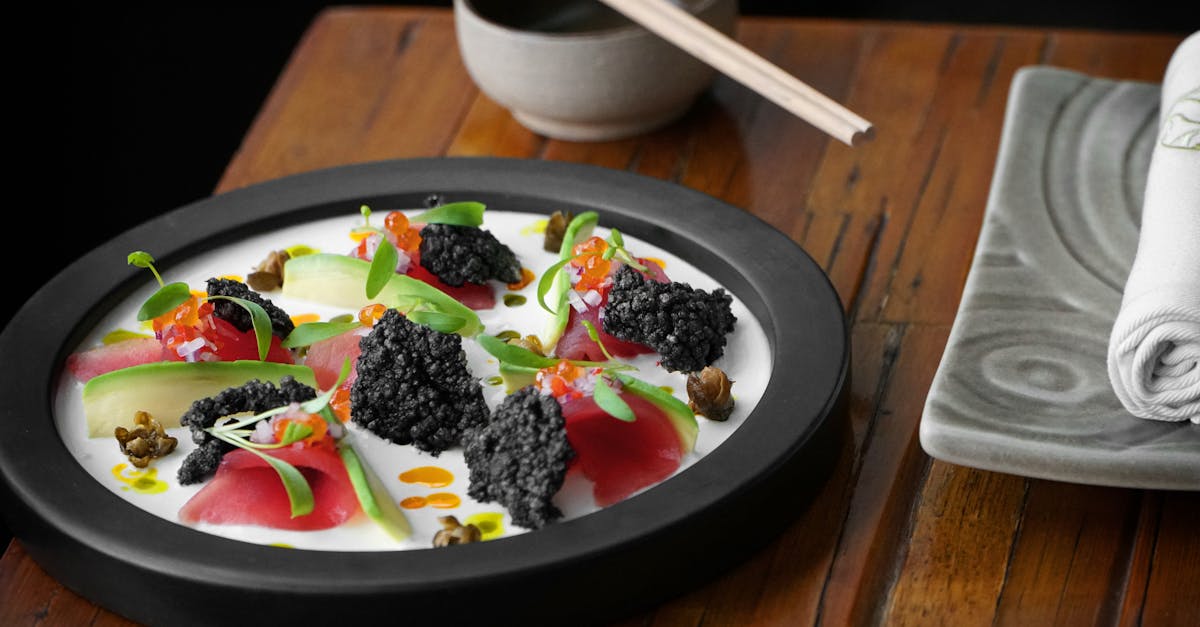
Nikkei is the Japanese-Peruvian fusion that has emerged in Lima over the last 120 years — a body of cooking that takes Japanese technique and aesthetics (raw fish, knife work, citrus and soy as seasoning, restraint on the plate) and applies them to Peruvian ingredients (Pacific fish, ají amarillo, rocoto, limón, sweet potato). The name itself comes from the Japanese 日系 (nikkei), meaning "of Japanese descent" — the term used worldwide for the Japanese diaspora and their descendants.
In Lima, nikkei started as the home cooking of Japanese immigrants and their children. It is now one of the most recognized fusion cuisines in the world, anchored by Maido — Mitsuharu "Micha" Tsumura's restaurant in Miraflores, named The World's Best Restaurant in 2025 after a decade climbing the World's 50 Best list. The dishes that define the cuisine — tiradito, acevichado maki, causa nikkei, chita al sillao — show up now on menus from Tokyo to Madrid as their own category.
Eating nikkei in Lima ranges from S/40 lunch combos at neighborhood spots in San Borja to a S/1,295 tasting menu at Maido. All of it traces back to a single 19th-century migration.
Origins
The Japanese migration to Peru began on April 3, 1899, when the steamship Sakura Maru docked in Callao with 790 Japanese contract laborers — the first organized Asian migration to Peru after the Cantonese wave fifty years earlier. They came under three- to four-year contracts to work the coastal sugar and cotton plantations of Cañete, Chancay, and the northern valleys. Conditions were harsh enough that within a decade most who survived had moved off the plantations and into Lima, where they opened bodegas, barber shops, and small restaurants — particularly fondas and later cebicherías.
By the 1930s, the Lima Japanese-Peruvian community ran a recognizable share of the city's small grocery stores and the seafood scene around the Mercado Central and Mercado de la Aurora. They cooked at home in a style that was already a quiet fusion: Japanese soy and dashi technique applied to Pacific corvina, lenguado, and the Peruvian habit of serving raw fish with lime.
The Second World War was a brutal interruption. Under U.S. pressure, Peru deported or interned thousands of Japanese-Peruvians; many lost businesses, property, and their place in the city. The community rebuilt slowly through the 1950s and 60s, and by the 1970s a generation of cooks — first Humberto Sato at Costanera 700 in Magdalena, opened in 1974 — began consciously codifying nikkei as a cuisine, not just a household style. Sato is universally credited as the founding father of restaurant-level nikkei in Lima.
The 1990s and 2000s wave — Toshiro Konishi (Toshiro's, opened 1985), Mitsuharu Tsumura (Maido, 2009), the Acurio-Konishi-Sato lineage of apprentices — turned nikkei into the international category it is today. In 2011 the Peruvian government formally recognized cocina nikkei as part of the country's Patrimonio Cultural Inmaterial.
How to recognize one
Three reliable formats:
- The classic nikkei restaurant. White or pale-wood interiors, a sushi bar visible from the door, a menu split into "tiraditos / makis / platos calientes". Costanera 700, Toshiro's, Edo are canonical.
- Cevichería with a nikkei chef. A traditional cevichería format where the cook trained in a Japanese-Peruvian kitchen. Menu reads as cevichería; the tiraditos and the maki acevichado give it away.
- Fine-dining tasting nikkei. Maido is the only restaurant in this tier that's truly nikkei rather than "modern Peruvian with Japanese influence". A tasting menu, from S/1,295 a head.
Watch out for: "Sushi & Nikkei" places that are 90% rolls and 10% nikkei. They are sushi restaurants with a couple of token tiraditos. Real nikkei has a distinct identity from sushi and you can feel it on the menu.
What you'd order
A first-time nikkei order, working from light to heavy:
- Tiradito clásico — sashimi-style slices of white fish (corvina, lenguado, fonda) in a smooth leche de tigre with ají amarillo. Compare it to the sashimi version mentally; this is the same dish translated into Lima.
- Tiradito al olivo — with a black-olive cream. A modern signature.
- Causa nikkei — the causa base topped with raw tuna or salmon tartare, sesame oil, soy. The most photographed nikkei dish in Lima.
- Acevichado maki — sushi roll filled with shrimp tempura and topped with leche-de-tigre cream and torched fish. Invented in Lima.
- Chita al sillao — whole fried chita (a local fish) glazed in a soy-and-sweet reduction. The "we are not a sushi place" dish.
- Pulpo al olivo — sliced cold octopus with black-olive mayo. Pre-dates nikkei but is on every menu.
- Gyoza de chancho at a casual nikkei: dumplings as a starter.
For a Maido or upper-tier nikkei tasting, you don't choose — you sit and follow. At Maido it's twelve steps.
Price range
| Tier | Per person (S/) | Per person (USD) |
|---|---|---|
| Casual nikkei (a la carta, lunch) | 60–110 | 16–30 |
| Standard nikkei restaurant (Costanera 700, Edo) | 120–200 | 32–55 |
| Upper-tier nikkei (Toshiro's, Osaka) | 180–280 | 48–75 |
| Maido tasting menu | 1,295–2,525 | — |
Nikkei has the steepest price gradient of any Lima cuisine — from accessible lunch to international fine-dining for the same root tradition.
Real examples in Lima
- Maido — Calle San Martín 399, Miraflores. Mitsuharu Tsumura's flagship. Tasting menu only, S/1,295 before pairings; bookings open two months ahead. The World's Best Restaurant 2025.
- Costanera 700 — Av. del Ejército 421, Magdalena del Mar. Humberto Sato's restaurant, the original nikkei restaurant in Lima. Founded 1974. Lunch focus, classic format, the dishes that became canon were invented here. Around S/120–180.
- Toshiro's — JW Marriott, Calle Malecón de la Reserva 615, Miraflores. Toshiro Konishi opened the original in 1985; this branch carries the legacy. Around S/180–260.
- Edo Sushi Bar — multiple locations, original on Av. Berlín 601, Miraflores. The accessible mid-range option. Around S/100–160.
- Osaka — Av. Conquistadores 999, San Isidro. Polished, modern, more pan-Asian than strict nikkei but excellent. Around S/180–260.
For a budget-friendly first taste, Edo at lunch is the easy entry. For the historical pilgrimage, Costanera 700. For the once-in-a-trip splurge, Maido.
A note on what nikkei is not
Three common misunderstandings:
- Nikkei is not sushi. Sushi is a Japanese cuisine that exists in Lima. Nikkei is a fusion cuisine born in Lima. They overlap on raw-fish technique and on a handful of dishes (some makis), but a tiradito is not a sashimi and a causa nikkei is not a sushi item.
- Nikkei is not new. It has been a recognized cooking style in Lima for at least 50 years and a household practice for over 100. The international recognition is recent; the cuisine is not.
- Nikkei is not "fancy". A neighborhood nikkei lunch in San Borja for S/35 is as authentic as Maido. The cuisine has a full price range, like any other.
Related
- Tiradito — the dish that defines nikkei.
- Causa limeña — the criolla classic that nikkei reinvented as causa nikkei.
- Ceviche — the closest sister cuisine; many nikkei restaurants do ceviche too.
- Cevichería — the format nikkei often shares space with.
- Chifa — the other great Asian-Peruvian fusion (Chinese, not Japanese).
- Miraflores food guide — Maido, Edo, and Toshiro's are all here.