What is a chifa
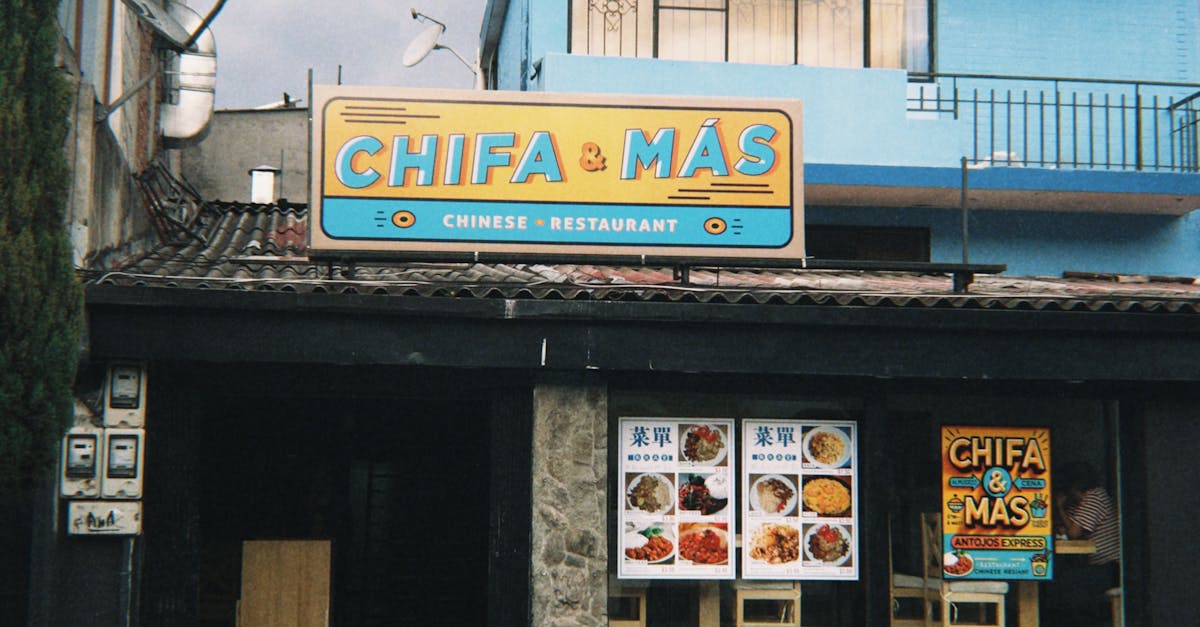
A chifa is a Peruvian-Chinese restaurant — and more importantly, the name of an entire cuisine. Chifa refers both to the restaurant format and to the food: a 150-year-old fusion of Cantonese technique and Peruvian ingredients that has become so embedded in Lima that most Limeños eat it weekly without thinking of it as "Chinese".
The word itself comes from Cantonese 食飯 (chī fàn, "to eat rice"), the everyday phrase the first generation of immigrants used to call workers to lunch. By the early 20th century Limeños had adopted it as the name for the restaurants themselves.
There is no single chifa template. They range from the bare formica-tabled neighborhood spot serving S/15 arroz chaufa in five minutes, to white-tablecloth restaurants in Miraflores doing 90-minute tasting menus. What they all share: a wok-heavy kitchen, a soy-sauce-leaning pantry, the use of kion (ginger) and sillao (soy sauce) as fundamentals, and a menu that almost always includes some version of arroz chaufa, tallarín saltado, sopa wantán, and pollo chijaukay.
Origins
The chifa is the direct descendant of one of the largest Asian migrations into the Americas. Between 1849 and 1874, roughly 100,000 Cantonese laborers (coolíes) were shipped from Macau and Guangzhou to coastal Peru under brutal eight-year contracts to replace recently freed enslaved workers on guano islands, sugar plantations, and the railroads being pushed up the Andes by Henry Meiggs.
Those who survived their contracts mostly stayed. By the 1880s a barrio chino had formed in central Lima around Calle Capón (today's Jirón Ucayali), with grocery stores, herbalists, gambling houses, and the first cookshops that fed both the Chinese community and curious Limeños. The earliest Lima cookbooks to mention chifa dishes appear in the 1920s; by the 1940s the format was established across the city.
The cuisine evolved by force of constraint. The original cooks could not import most Cantonese ingredients, so they substituted: Peruvian beef and chicken for the originals, aji amarillo and rocoto in places where Sichuan or Hunan chiles would have gone, local rice (which is excellent), and tomato — which Cantonese cuisine barely uses but Lima loves. The result is the only Chinese fusion cuisine in the world that's eaten more by the host culture than by descendants of the original immigrants.
In 2008 the Peruvian government formally recognized cocina chifa as part of the country's Patrimonio Cultural. Today Lima alone has more than 6,000 chifas — roughly one for every 1,500 inhabitants.
How to recognize one
Visual cues are reliable across all price tiers:
- A red exterior is the closest thing to a uniform. Red awnings, red signs, red lanterns by the door.
- The name almost always contains Salón, Chifa, a Chinese-character logo, or a word like Lung, Hou, San, Royal, or a Cantonese-sounding family name.
- The menu is long. A neighborhood chifa often lists 80–150 dishes. A "short" chifa menu doesn't exist.
- The table service includes a small dish of sillao (soy sauce) and a small bottle of red vinegar with chili (chimichurri chino) before you order anything.
- The wok is loud. If the kitchen is visible, you'll hear it from the door — gas flame and the metallic clang of the wok hei technique.
What you'd order
A first-time order at any neighborhood chifa, almost universal:
- Arroz chaufa — the chifa version of fried rice, with kion (ginger), sillao (soy), tortilla de huevo (egg omelette strips), green onion, and your choice of protein (de pollo, de carne, especial with all of them). The single most-ordered Peruvian-Chinese dish.
- Sopa wantán — clear chicken-and-pork broth with wonton dumplings, char siu, and bok choy. Almost every Limeño has eaten this in the first 24 hours of a cold.
- Tallarín saltado — wok-tossed noodles with vegetables and protein. Same logic as chaufa but with tallarín (egg noodles).
- Pollo chijaukay — battered fried chicken in a sweet-and-sour tamarind glaze. The chifa equivalent of comfort.
- Pollo enrollado — fried chicken roll stuffed with vegetables, served sliced.
- Wantán frito — crisp fried wonton with a sweet sauce; a starter or for kids.
Three orders for two people = a full meal at a neighborhood chifa. Don't over-order; chifa portions are large.
For something more ambitious at the upper-tier (Madam Tusan, Royal, Titi):
- Pato Pekín al estilo chifa (Peking duck, Peruvian execution).
- Langostinos en salsa tamarindo.
- Costillas de cerdo agridulce (sweet-and-sour pork ribs).
Price range
| Tier | Per person (S/) | What you get |
|---|---|---|
| Barrio chifa (delivery + plastic tables) | 12–22 | Arroz chaufa, sopa wantán, drink. |
| Standard neighborhood chifa | 22–45 | Three dishes shared, drinks, dessert. |
| Mid-upscale (Madam Tusan, Royal Lima) | 60–110 | À la carte, wine, full service. |
| Upper-tier (Chifa Titi de Hou Wha) | 90–160 | The dim-sum-and-Peking-duck experience. |
A meal at a chifa under S/12 is suspicious. Anything over S/180 a head is a special-occasion fine-dining play.
Real examples in Lima
Three places that cover the full range:
- Chifa Titi (de Hou Wha) — Av. Javier Prado Este 1212, San Isidro. Founded 1957 by the Wong family. Old-school, formal, the dim sum menu is excellent, the pato laqueado is the dish to order. Around S/80–120 a head. The Lima chifa with the longest unbroken pedigree.
- Madam Tusan — multiple locations (Av. Santa Cruz, Larcomar, San Borja). Gastón Acurio's contemporary chifa. More polished, more designed, more expensive than a neighborhood place but the food is genuinely good and the menu is built for people who want to learn the cuisine. Around S/60–100 a head.
- Salón Capón — Jr. Ucayali 819, Centro de Lima (Barrio Chino). Inside the gate of the Chinatown arch. The closest thing to eating in Lima's Chinatown the way Limeños have for sixty years. Around S/30–50 a head.
For barrio chifa, the rule is simpler: walk three blocks in any residential district and the nearest red sign is your chifa. They're nearly all decent, and your hotel staff will recommend the one they actually order from.
A note on the diaspora
The chifa template traveled. There are chifas in Iquitos, Trujillo, Arequipa, La Paz, Santiago, and Buenos Aires — wherever Peruvian migration has gone. But the depth and density is Lima. No other city on earth has a one-chifa-per-1,500-people ratio. It is the most successfully integrated immigrant cuisine on the continent, and quietly the most-eaten "non-Peruvian" food in Peruvian homes.
Related
- Lomo saltado — the most famous chifa-influenced dish, now fully absorbed into Peruvian criollo cooking.
- Arroz chaufa — the canonical chifa dish.
- Nikkei fusion — the other great Asian-Peruvian fusion (Japanese, not Chinese).
- Cevichería — chifa's biggest neighborhood-restaurant cousin.
- Centro de Lima — home of Calle Capón and the original Barrio Chino.