What is a huarique
A huarique is a small, neighborhood eating spot in Lima — usually 10 to 30 seats, often unmarked from the street, run by the same family for years or decades, and known almost exclusively by word of mouth. The cook is usually the owner, the menu is short (sometimes one dish), the bill is paid in cash, and the place rarely opens for dinner.
It is not a "hidden restaurant" in the Instagram sense. The Limeños in the next neighborhood know about it; the people on the same block grew up eating there. What makes it a huarique is that it survives entirely on regulars and reputation, with zero marketing budget, no design language, and a complete refusal to grow.
If a place has a logo on the napkin, a website, table reservations through an app, or a host at the door — it has stopped being a huarique.
Origins
The word is Quechua in origin — most linguists trace it to waraq or waraqi, "hidden", though the etymology is debated. As a Lima slang for "el sitio escondido donde se come bien" (the hidden place where you eat well), it took root in the mid 20th century in the city's working-class districts: Surquillo, La Victoria, Rímac, Barrios Altos, parts of Callao. These were the blocks where rural migrants from the Andes opened tiny kitchens to feed neighbors who shared a hometown.
The huarique went mainstream in the 2000s, during the Peruvian gastronomic boom led by figures like Gastón Acurio and journalist Ignacio Medina, who built a full critical vocabulary around them. National TV programs (Sazón Lima, Aventura Culinaria, La Picantería on Plus TV) treated huariques as serious cuisine on equal footing with fine dining. The boom raised some of them out of huarique status (Gianfranco Vargas's La Picantería is the canonical example) and kept others stubbornly small and cheap.
Today the huarique is a recognized category in Peruvian food writing — the Summum and Ladera Sur awards both have a huarique category — but the best ones still don't put a sign outside.
How to recognize one
Five reliable signals. A real huarique usually hits all of them:
- No real signage. A hand-painted sheet of plywood with the name. Sometimes just an open door and a plastic chair holding it open. If there's a backlit logo, it's not a huarique.
- The cook is visible. From your seat you can see the same person who's been cooking there for 15 years.
- One menu, written by hand. Often a chalkboard or a clipboard. The dishes are the dishes, the price is the price.
- Lunch only. Hours are roughly 12:00 to 16:00. If they're open at 21:00 it's a different category of place.
- Cash, full stop. Card readers belong to a different kind of restaurant. Some huariques now accept Yape (the Peruvian phone-to-phone payment app), which is a fair compromise.
What you'd order
Almost every huarique specializes — a single category of food it does better than anyone else. The most common categories are:
- Cevichería huarique — ceviche, tiradito, jalea, leche de tigre. Surquillo, Chorrillos, Magdalena, Callao.
- Criolla huarique — ají de gallina, seco de cordero, arroz con pato, lomo saltado. Centro, Lince, Surco viejo.
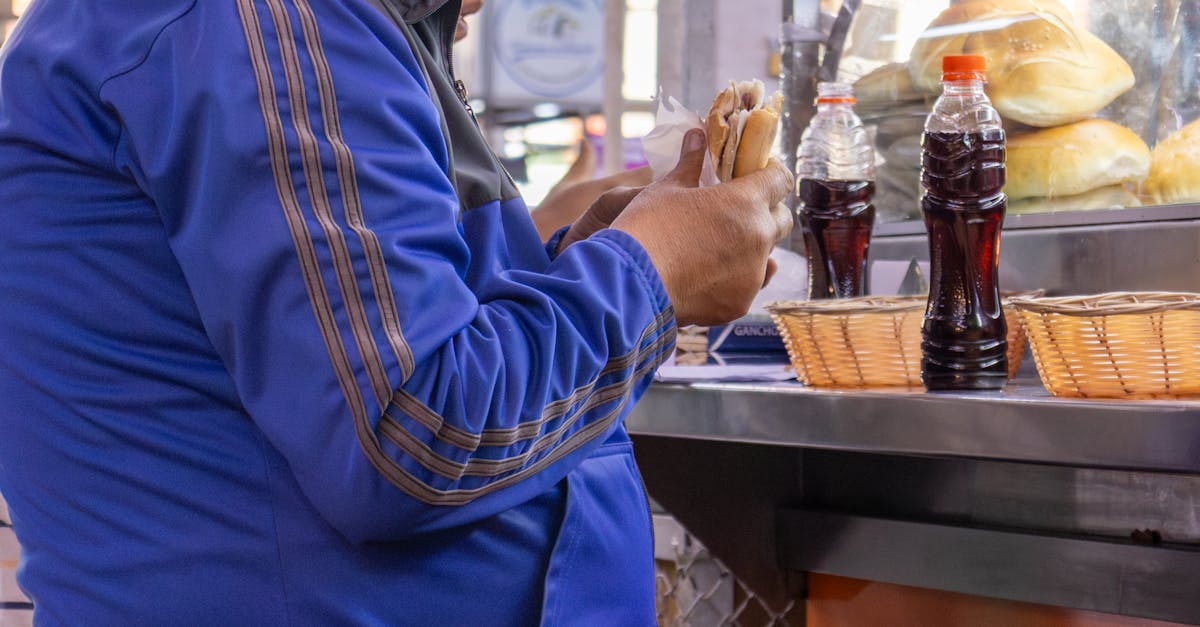
- Sangucheria huarique — pan con chicharrón, pan con pavo, pan con jamón del país. Old Centro, working-class districts.
- Anticuchería huarique — anticuchos, rachi, mollejas. Barranco, Surquillo at night.
- Caldería de madrugada — caldo de gallina, parihuela, sudado. Markets and night-shift zones, 04:00–10:00.
Order the specialty of the house — usually the first or only item on the chalkboard — and the house drink (chicha morada, limonada, or a Cusqueña). Don't ask for substitutions. Don't ask for the menu in English.
Price range
| Category | Plato (S/) | Full meal w/ drink (S/) |
|---|---|---|
| Cevichería huarique | 18–35 | 25–45 |
| Criolla huarique (menú del día) | 12–22 | 18–28 |
| Sangucheria huarique | 8–14 | 12–22 |
| Anticucheria huarique (street) | 8–15 per skewer | 16–30 |
| "Famous" huarique (Al Toke Pez tier) | 25–40 | 35–60 |
A meal at a huarique that costs more than S/70 per person is either no longer a huarique, or you ordered too much. Most real ones close around S/30 with a drink.
Real examples in Lima
Three places that are huariques in the strict sense — small, cheap, cash-led, lunch-only, beloved:
- Al Toke Pez — Av. Angamos Este 886, Surquillo. A counter for ten or twelve where Tomás Matsufuji cooks ceviche, sudado and arroz con mariscos with the day's catch. Lunch only, cash only, about S/25 a head when El Comercio reviewed it in 2017. Expect a queue.
- El Verídico de Fidel — Av. Tacna 1149, Magdalena del Mar. Counter-style cevichería with thirty years of regulars. Order the leche de tigre and the arroz con mariscos. Roughly S/30–50.
- La Picantería — Calle Francisco Moreyra 154, Surquillo. Gianfranco Vargas's place. Started as a strict huarique; it has grown (you can now book a table) but the format — short menu, whole-fish-by-weight, shared plates — keeps the spirit. Around S/80–130 per person, much more than a huarique should be, but worth the trip.
A genuine huarique is, by definition, hard to find from outside Lima. Ask three different Limeños on the same block where they eat lunch and you'll be pointed to one — the answer is almost always "a la vuelta hay un sitio" (there's a spot around the corner).
Related
- Cevichería — the most common huarique format in Lima.
- Sangucheria — close cousin; many sangucherias started as huariques.
- The $5 lunch (menú del día) — most menú del día spots are huariques in everything but name.
- Ceviche — the dish a cevichería huarique is built around.
- Surquillo — the district with the highest huarique density in Lima.